Space science
The sun has 'sisters'
In the center of the solar system, the giant star warming the Earth is not the only child born more than 4 billion years ago.
Browse ScienceInfo articles and explainers related to The Sun.
293 published items.
In the center of the solar system, the giant star warming the Earth is not the only child born more than 4 billion years ago.

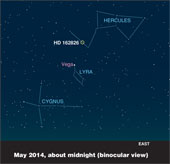
Researchers have recently discovered that a yellow star has the largest size ever and is brighter than the Sun.
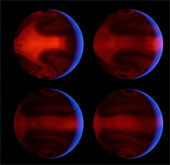
Extraterrestrial planets (planets outside the solar system) are extremely mysterious and strange worlds, can even be extremely scary.
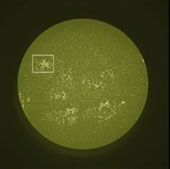
According to scientists, IRIS's findings may shed some light on the Sun's secrets.
Scientists have predicted that the sun has a particle-like structure (matter particle). Each particle of this matter can be 16 times larger than the Earth.
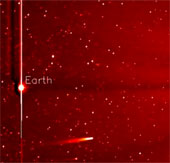
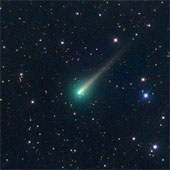
A comet is headed straight for the sun at the end of this month and according to scientists, if it doesn't evaporate or fall apart, people on earth can see it with the n…
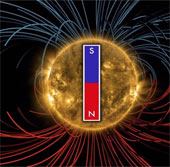
The magnetic poles of the sun are about to reverse, with the north pole running out of position and waiting for the south pole to follow.
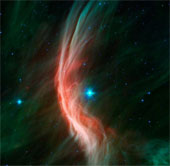
For the first time, scientists have obtained the sound of the deep universe, and it sounds like a chirping called the dawn of birds in the spring.
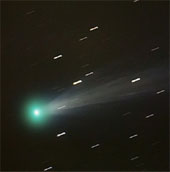
Comet ISON, the object that received the most attention from observers this year has come quite close to the Sun.
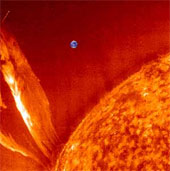
The Sun lies very far from Earth, making light need about 8 minutes 19 seconds to reach Earth.
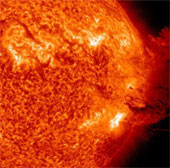
Scientists say that the recent drop in the network when making calls in recent times is not due to a network failure, but may be caused by solar storms.

NASA's Hubble telescope has recorded images of the dying star HD 184738.
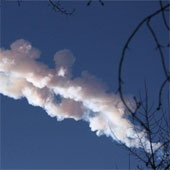
The meteorite block that injured more than 1,500 people in the country on February 15 may have almost touched the Sun before falling to Earth and exploding.
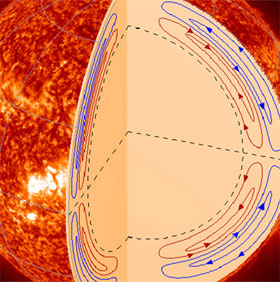
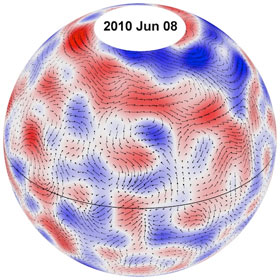
The new study has overturned all long-standing knowledge about the mechanism of motion in the sun, according to experts from the US Aeronautics and Space Agency (NASA).